Short and Thin Hair Styling Tips You’ll Love for Instant Volume

If you’ve ever struggled with hairstyling for short and thin hair, you know the frustration. Your hair falls flat by midday. Styles refuse to hold. Volume seems impossible. Sound familiar?
You’re not alone. Millions of people with thin, short hair face these challenges daily. But here’s the good news: with the right techniques and knowledge, you can transform your hairstyling for short and thin hair routine completely.
This guide shares proven strategies that actually work. No fluff, no unrealistic promises — just practical advice you can use today.
Let’s unlock your hair’s full potential.
Why Hairstyling for Short & Thin Hair Requires Special Techniques
Understanding why hairstyling for short and thin hair differs from other hair types helps you make smarter choices. Thin hair has unique characteristics that demand specific approaches.
Thin hair strands are narrower in diameter. This means less natural volume and body. Additionally, thin hair often:
- Shows scalp more visibly
- Gets oily faster at roots
- Struggles holding curls or styles
- Looks limp without proper styling
Key differences:
- Thin hair needs lift at the roots, not weight
- Product buildup shows more obviously
- Heat damage appears faster and more dramatically
The Foundation: Choosing the Right Cut for Thin Hair
Your haircut determines 70% of your hairstyling for short and thin hair success. The wrong cut makes styling nearly impossible, while the right one makes every morning easier.
Best Haircuts for Short Thin Hair
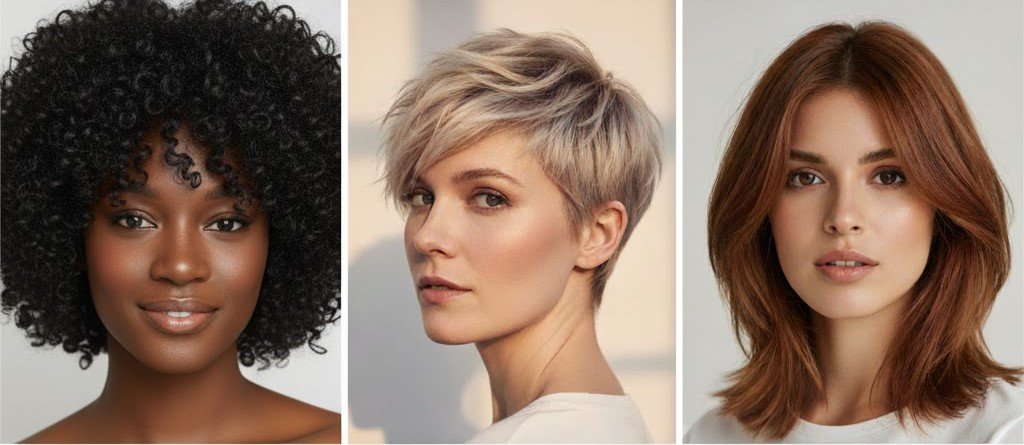
Blunt bobs create the illusion of thickness. When all ends align at one length, hair appears denser and fuller. This works beautifully for chin-length or shoulder-length styles.
Textured pixie cuts offer incredible volume. Short layers at the crown create natural lift, while strategic texturing adds dimension throughout.
Layered lobs with face-framing pieces add movement without sacrificing thickness at the ends.
Cuts to avoid:
- Long, wispy layers that thin out ends
- One-length styles below shoulders (too heavy, pulls flat)
- Razor cuts that create thin, feathery ends
Pro tips:
- Request “interior layering” for hidden volume
- Schedule trims every 6-8 weeks to maintain thickness
- Bring reference photos showing the texture you want
Product Selection: Essential Tools for Hairstyling Short & Thin Hair
Successful hairstyling for short and thin hair requires smart product choices. The wrong products weigh hair down and make it look even thinner.
Must-Have Products
Volumizing shampoo and conditioner designed specifically for thin hair create the foundation. Look for lightweight formulas without heavy moisturizers.
Root-lifting mousse is essential for hairstyling for short and thin hair. Apply to damp roots before blow-drying for instant lift that lasts all day.
Dry shampoo works double duty: absorbing oil and creating texture. Apply at roots before bed for effortless morning volume.
Texturizing spray adds grip and separation, making hair appear thicker and fuller.
Products to skip:
- Heavy oils and serums
- Thick creams and butters
- Smoothing products designed for frizzy hair
Application tips:
- Use half the amount you think you need
- Focus products on roots and mid-lengths
- Never condition your scalp
Washing Techniques That Support Thin Hair Styling
How you wash impacts your hairstyling for short and thin hair more than most realize. The right washing routine creates volume before you even start styling.
Temperature matters: Wash with lukewarm water, never hot. Hot water strips natural oils, leaving hair limp and lifeless.
Conditioner placement: Only apply conditioner from mid-length to ends. Conditioning roots weighs down thin hair immediately.
Frequency: Washing every other day preserves natural oils that add body and texture to thin hair.
One reader shared: “Skipping conditioner on my roots changed everything. I finally have volume that lasts past breakfast.”
Quick wins:

- Massage scalp while shampooing to stimulate circulation
- Use clarifying shampoo weekly to remove buildup
- Rinse with cool water to seal cuticles and add shine
Blow-Drying Strategies for Maximum Volume
Proper blow-drying is crucial for successful hairstyling for short and thin hair. Your technique creates or destroys volume.
The Upside-Down Method
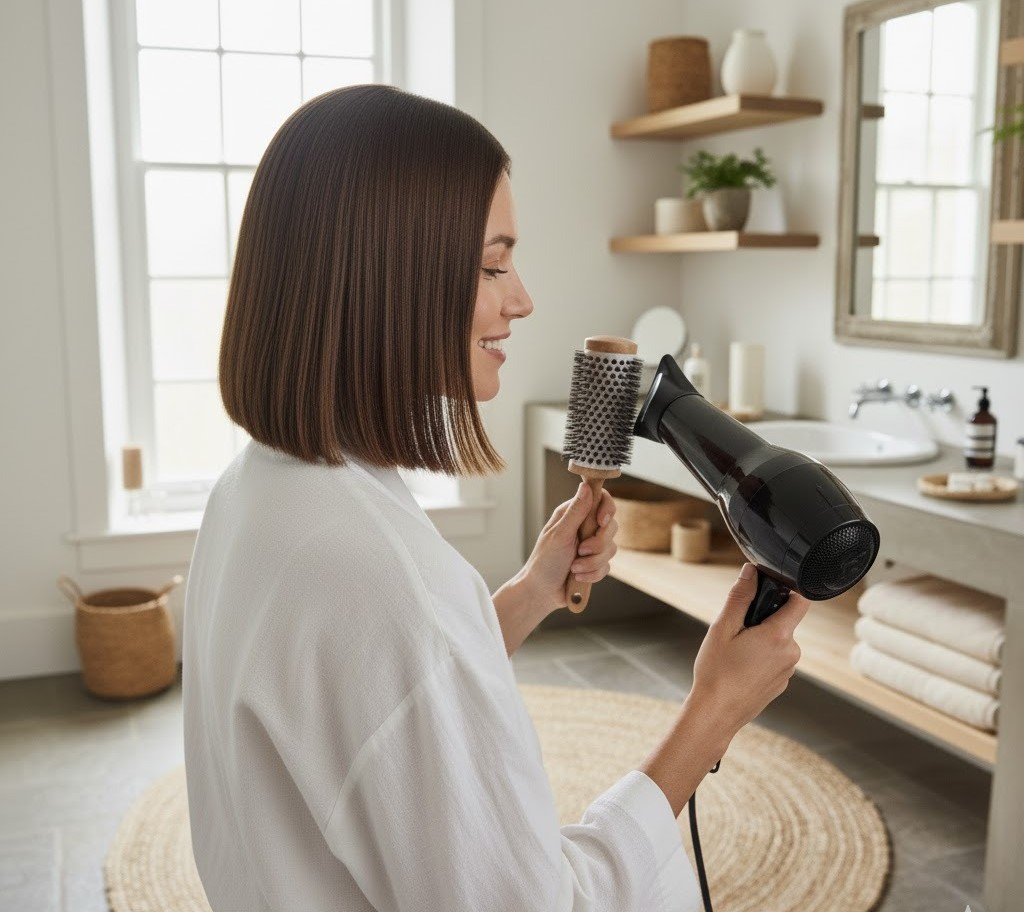
Flip your head upside down and dry roots first. This lifts hair away from your scalp, creating instant volume at the base.
Round Brush Technique
Once roots are 80% dry, use a round brush. Take 2-inch sections, lift straight up, and direct heat downward. This smooths the cuticle while maintaining root lift.
Direction Matters
Always blow-dry in the opposite direction of how you want hair to lay. This creates natural lift and prevents flatness.
Essential techniques:
- Use the cool shot to set volume in place
- Keep dryer moving to prevent heat damage
- Stop when hair is 95% dry to maintain texture
Styling Methods That Add Thickness and Body
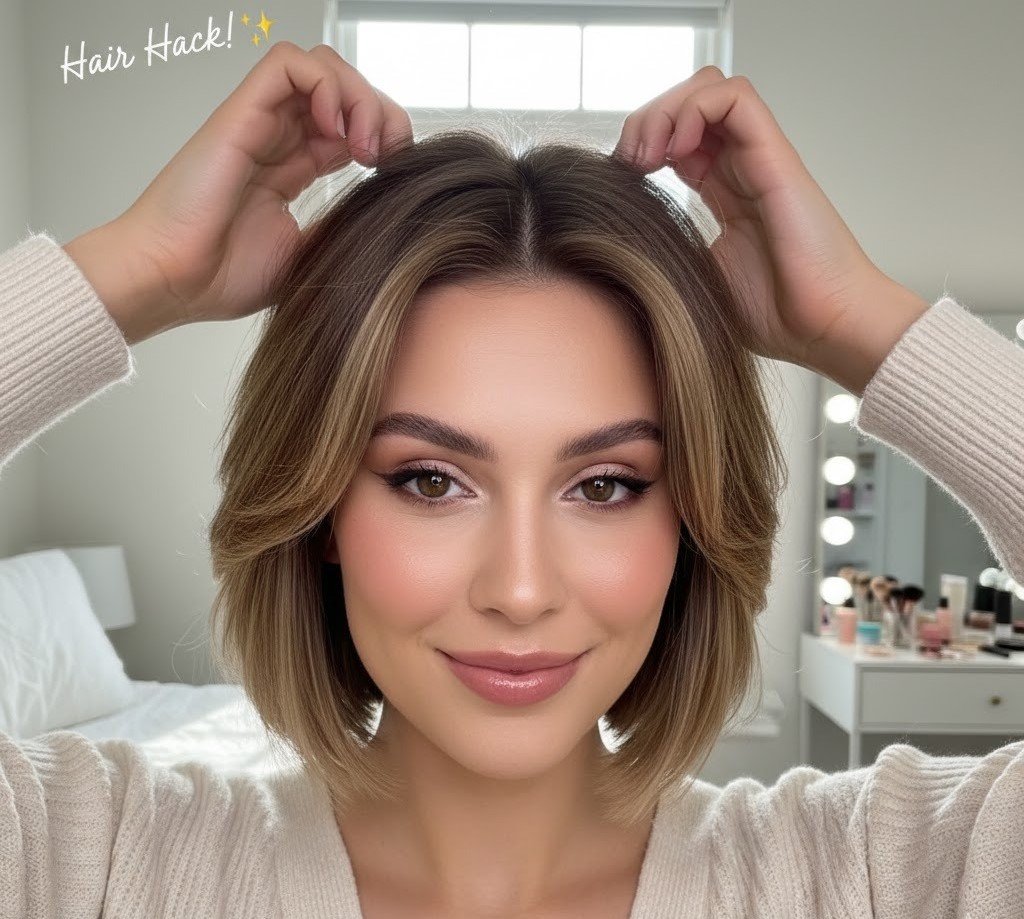
These specific techniques make hairstyling for short and thin hair dramatically easier and more effective.
Strategic Teasing
Gentle backcombing at the crown creates hidden volume. Take small sections, hold them perpendicular to your head, and lightly tease the underside. Smooth the surface layer over it.
The Part Switch
Changing your part location every few days prevents hair from flattening in one spot. An off-center part also creates natural volume.
Velcro Roller Magic
These create heat-free volume that lasts. Roll damp hair onto large velcro rollers, let air dry or blow-dry, then remove for bouncy, full hair.
Pin Curls for Volume
Create hidden lift by pin-curling sections at the crown, letting them cool, then gently releasing.
Styling essentials:
- Let styles cool completely before touching
- Use lightweight hairspray to hold, not heavy gels
- Refresh volume throughout the day with dry shampoo
Heat Styling Without Compromising Hair Health
Heat styling is part of hairstyling for short and thin hair, but protection is non-negotiable. Thin hair damages faster than thick hair.
Always use heat protectant spray on damp hair before any hot tools. This creates a protective barrier against damage.
Keep temperatures moderate: 300-350°F is sufficient for thin hair. Higher temperatures cause damage without better results.

Limit frequency: Heat style 2-3 times weekly maximum. Embrace air-dried texture on alternate days.
Tool selection:
- Ceramic or titanium tools distribute heat evenly
- Adjustable temperature controls prevent overheating
- Quality tools last longer and work better
Heat styling tips:
- Use the lowest effective temperature
- Keep tools moving constantly
- Let hair cool before brushing or touching
Color Techniques That Create Fuller-Looking Hair
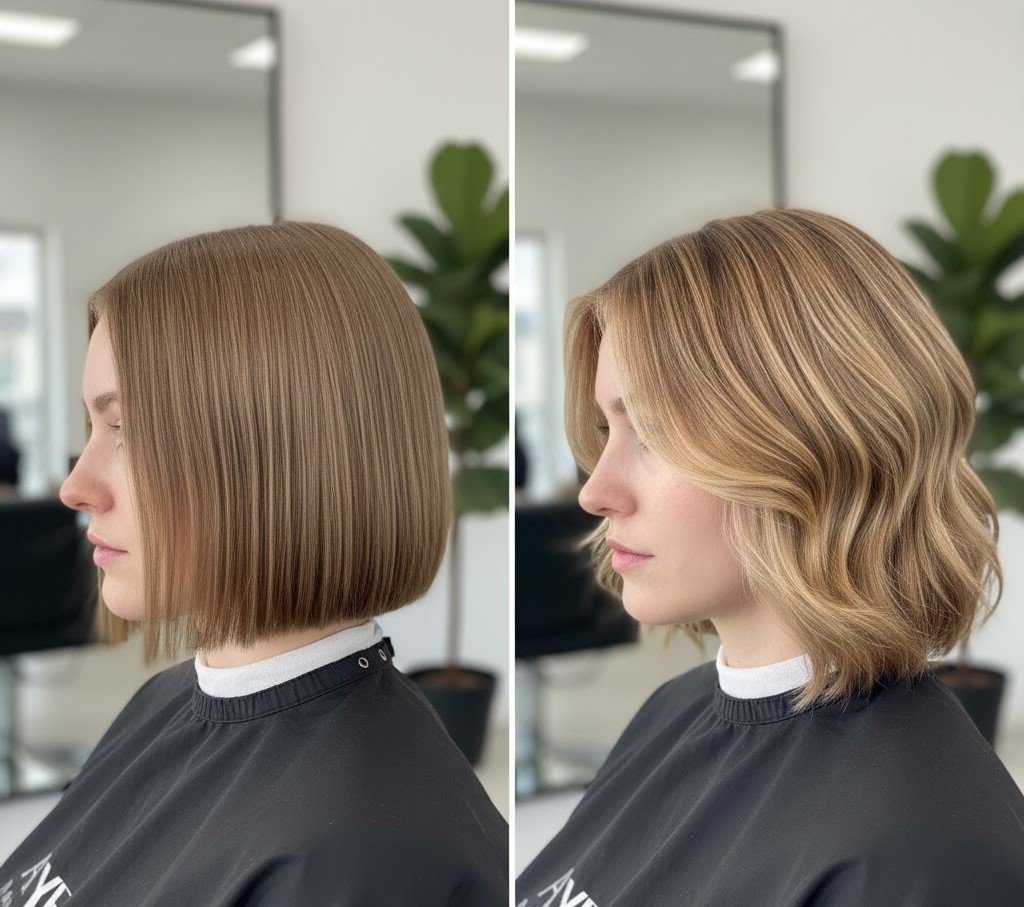
Strategic color significantly impacts hairstyling for short and thin hair by creating dimension and depth.
Highlights and lowlights add contrast that makes hair appear thicker. The interplay of light and dark creates shadows suggesting more volume.
Babylights — ultra-fine highlights — blend naturally and add subtle dimension throughout.
Root shadowing creates depth at the scalp, making thinness less noticeable.
Avoid solid dark colors that make scalp more visible. Instead, choose dimensional shades with variation.
Color considerations:
- Lighter tones around the face draw attention away from thinness
- Semi-permanent color causes less damage than permanent
- Professional application ensures even results
Lifestyle Habits Supporting Healthy Thin Hair
Successful hairstyling for short and thin hair extends beyond products and techniques. Your overall lifestyle impacts hair health significantly.
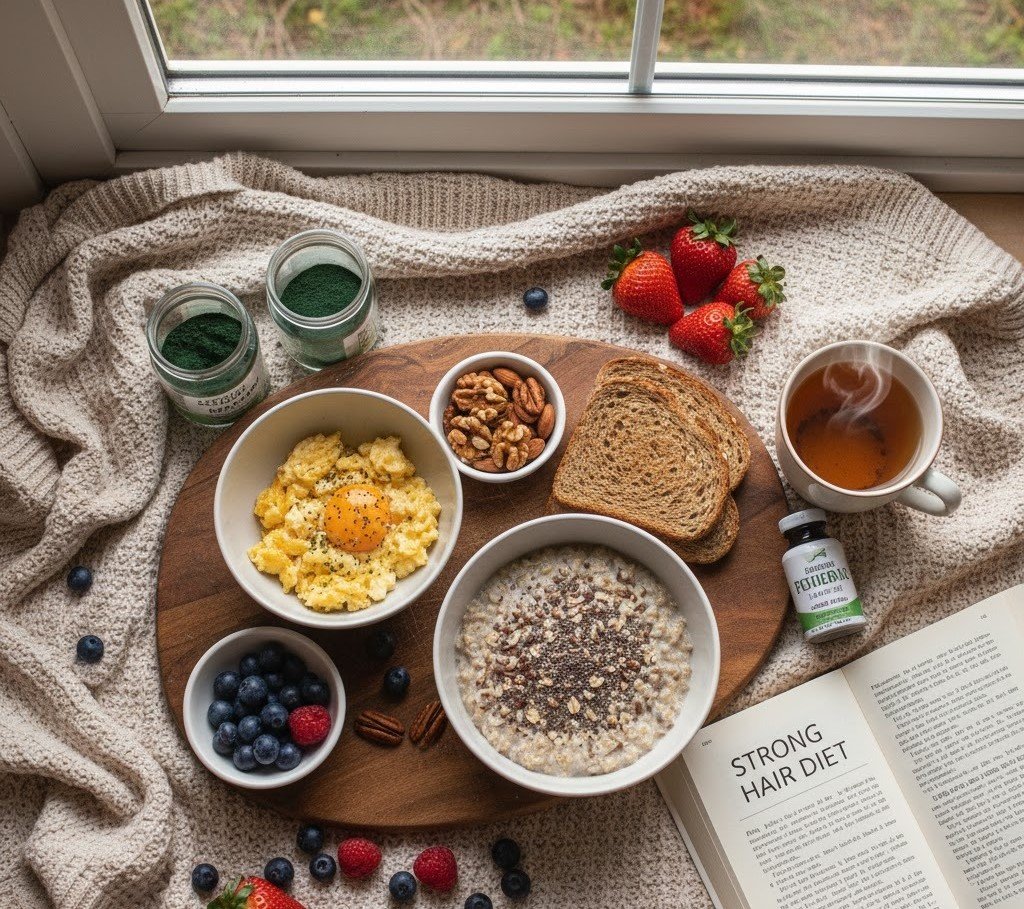
Nutrition for Hair Health
Protein supports hair structure and strength. Include lean meats, fish, eggs, and legumes in your diet.
Biotin promotes hair growth and thickness. Find it in nuts, seeds, and whole grains.
Iron prevents hair loss and thinning. Leafy greens, red meat, and fortified cereals provide adequate iron.
Stress Management
Chronic stress contributes to hair thinning and loss. Regular exercise, meditation, or therapy helps maintain hair health.
Sleep Quality
Sleep on silk or satin pillowcases to reduce friction that breaks thin hair overnight. Cotton creates tension that damages delicate strands.
Daily habits that help:
- Drink plenty of water for hydration
- Avoid tight hairstyles that stress follicles
- Consider supplements after medical consultation
Embracing Your Natural Texture
The most important aspect of hairstyling for short and thin hair? Working with your natural texture, not against it.
Thin hair often has natural movement or wave that disappears when you force incompatible styles. Discovering what your hair does naturally makes styling infinitely easier.
Stop comparing your hair to thick-haired influencers. Their techniques won’t work for you, and that’s perfectly fine. Your hair has unique advantages: it dries faster, responds well to styling, and can look incredibly chic with minimal effort.
Mindset shifts:
- Imperfect styles can be just as beautiful
- Confidence matters more than perfect hair
- Some days require different approaches
Conclusion: Mastering Hairstyling for Short & Thin Hair
Hairstyling for short and thin hair becomes simple once you understand the fundamentals. The right cut, appropriate products, and effective techniques transform your daily routine.
Start small. Choose one technique from this guide and try it tomorrow. Maybe it’s the upside-down blow-dry method or switching your part. Small changes create significant results over time.
Your thin hair isn’t a limitation — it’s an opportunity to develop a signature style that’s uniquely yours.

Take action now: Pick your favorite tip from this guide and implement it this week. Notice the difference. Build your confidence one styling session at a time.
Remember: great hairstyling for short and thin hair isn’t about perfection. It’s about finding what works for your lifestyle and feeling confident every single day.