Clear Skin Routine: Best Acne Facial Treatments You’ll Love

If you’ve ever woken up, looked in the mirror, and felt your heart sink at the sight of yet another breakout, you’re not alone. Acne doesn’t just affect teenagers—it impacts millions of adults who are juggling work, family, and life’s endless demands. The frustration of trying product after product, only to see minimal results, can feel exhausting and disheartening.
But here’s the truth: clear, healthy skin isn’t about perfection or expensive miracle cures. It’s about understanding your skin, creating a consistent routine, and choosing the right acne facial treatments that actually work for you. In this guide, I’m sharing proven strategies and professional insights to help you build a clear skin routine that fits your real life—no overwhelming 10-step processes or unrealistic expectations. Just practical, effective advice to help you feel confident in your skin again.
Understanding Your Acne: The First Step to Clear Skin
Before diving into treatments, it’s essential to understand what’s causing your breakouts. Acne develops when pores become clogged with oil, dead skin cells, and bacteria. However, the triggers vary widely—from hormonal fluctuations and stress to diet and skincare products.
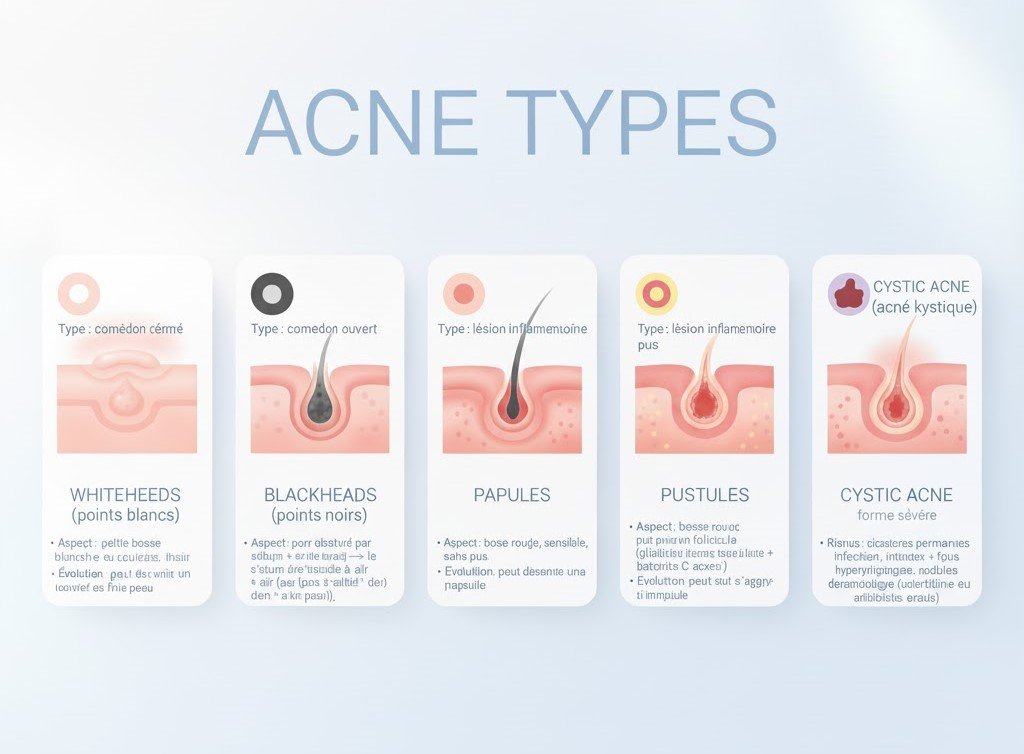
Quick tips to identify your acne type:
- Whiteheads and blackheads: Mild, surface-level clogged pores
- Papules and pustules: Inflamed, red bumps with or without pus
- Cystic acne: Deep, painful lumps beneath the skin’s surface
Understanding your specific acne type helps you choose targeted facial treatments for breakouts that address your unique needs rather than wasting time on generic solutions.
Building Your Morning Clear Skin Routine
Your morning routine sets the foundation for healthy skin throughout the day. The goal isn’t to strip your skin bare but to cleanse, protect, and prepare it for whatever comes your way.
Start with Gentle Cleansing
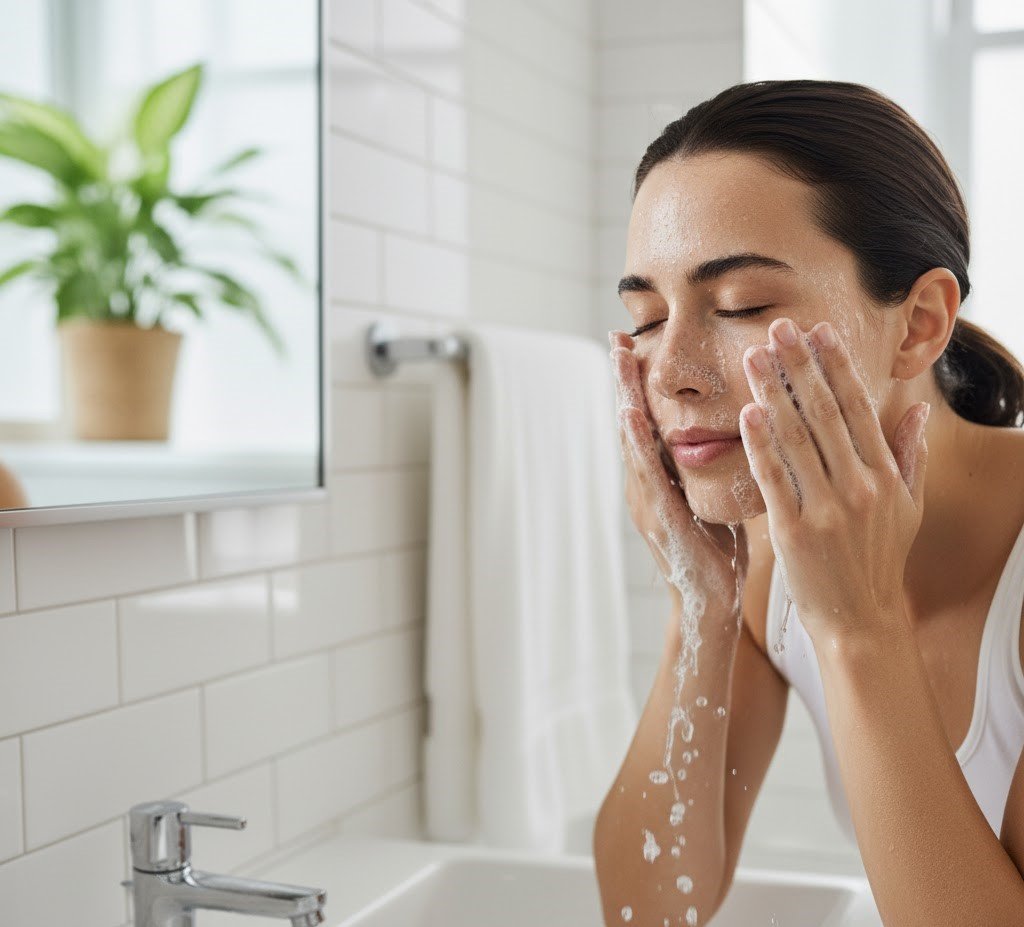
Use a mild, pH-balanced cleanser suited for acne-prone skin care. Harsh scrubs might feel satisfying, but they can actually worsen inflammation and trigger more breakouts.
Morning cleansing tips:
- Use lukewarm water (hot water strips natural oils)
- Massage cleanser for 30-60 seconds in circular motions
- Pat dry with a clean towel—never rub
Apply Targeted Treatments
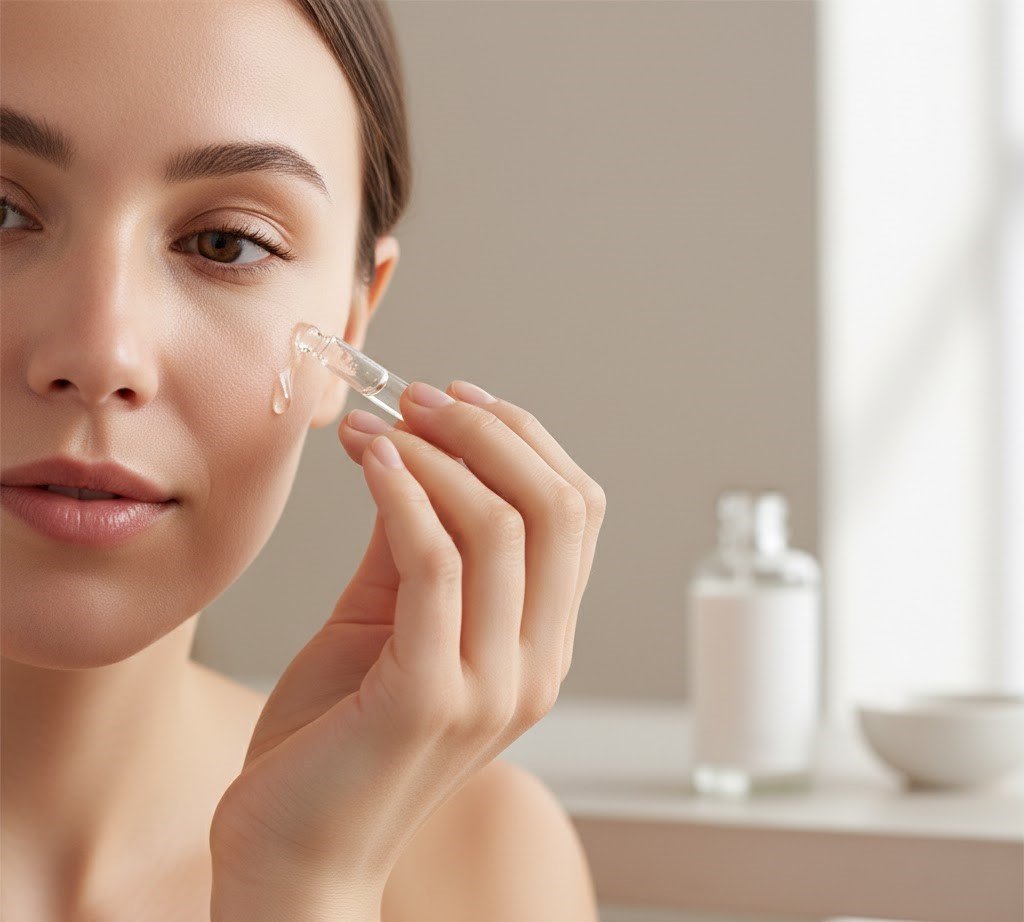
After cleansing, apply acne treatments while your skin is still slightly damp to enhance absorption. Look for ingredients like salicylic acid, benzoyl peroxide, or niacinamide.
- Salicylic acid: Penetrates pores to dissolve oil and debris
- Benzoyl peroxide: Kills acne-causing bacteria
- Niacinamide: Reduces inflammation and balances oil production
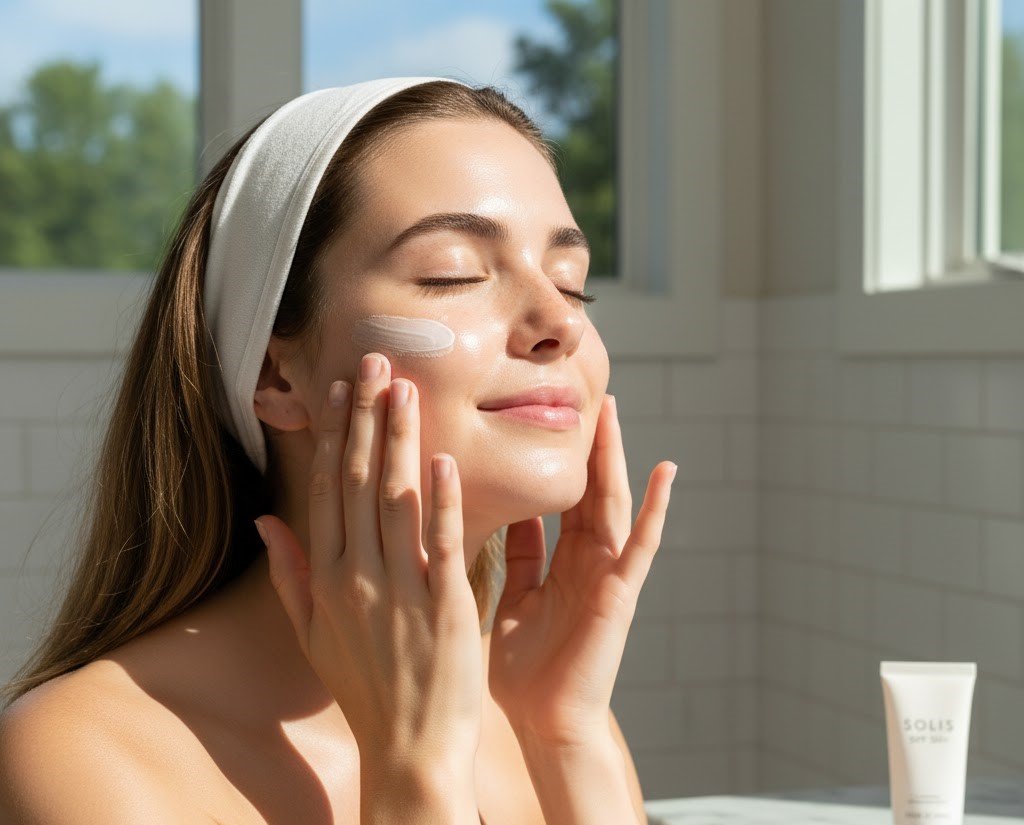
Never Skip Sunscreen
I can’t stress this enough: sunscreen is non-negotiable. Many anti-acne treatments make your skin more sensitive to UV damage. Choose a non-comedogenic, oil-free SPF 30 or higher.
Evening Routine: Deep Cleansing and Repair
Nighttime is when your skin does its heaviest lifting—repairing damage and regenerating cells. Your evening skincare routine for acne should focus on thorough cleansing and nourishment.
Double Cleanse for Deep Clean
If you wear makeup or sunscreen, consider double cleansing. Start with an oil-based cleanser to remove makeup, followed by your regular water-based cleanser.
Why this works:
- Removes all traces of makeup and environmental pollutants
- Prevents clogged pores overnight
- Prepares skin for treatment products
Incorporate Retinoids Gradually
Retinoids (like retinol or prescription tretinoin) are gold-standard ingredients for acne. They increase cell turnover, prevent clogged pores, and fade post-acne marks.
- Start with 2-3 times per week
- Always follow with moisturizer
- Expect a brief “purging” phase as your skin adjusts
Professional Acne Facial Treatments Worth Considering
Sometimes at-home care needs a professional boost. These treatments can significantly accelerate your progress toward clear skin.
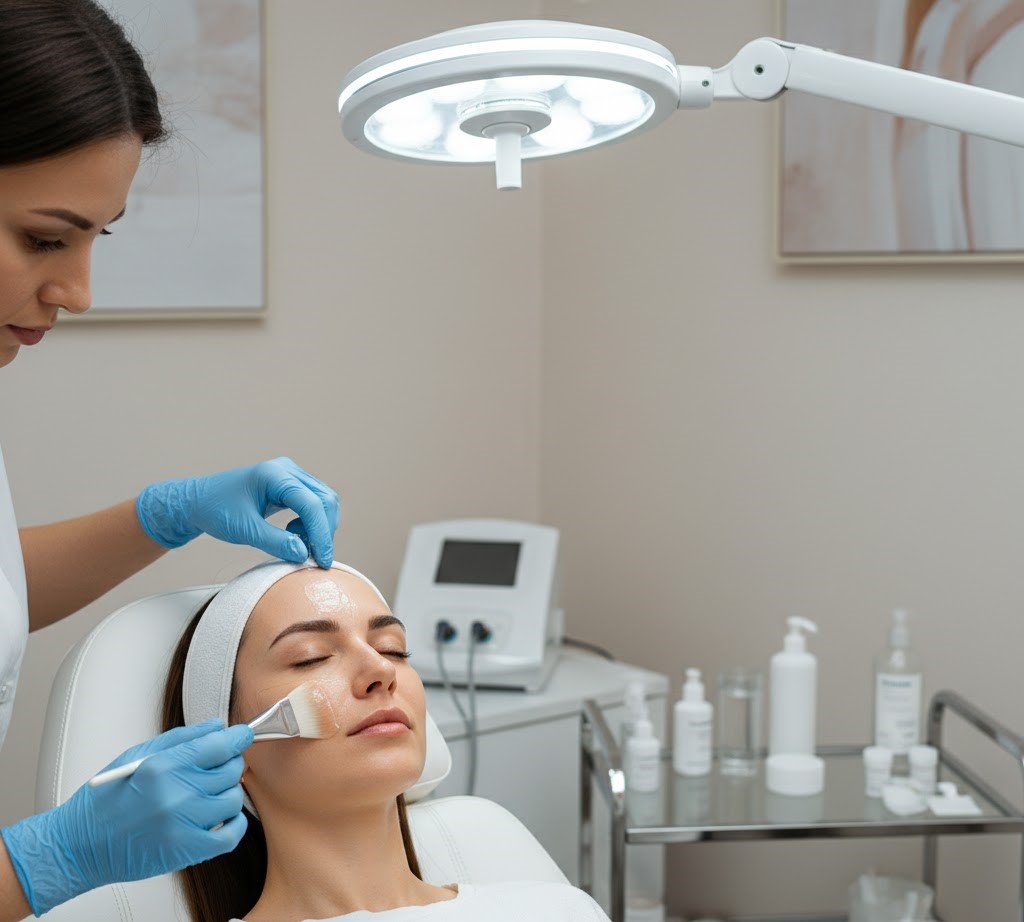
Chemical Peels
Professional chemical peels use higher concentrations of acids to exfoliate dead skin cells, unclog pores, and reduce acne scarring. Common options include glycolic acid, salicylic acid, and lactic acid peels.
What to expect:
- Sessions typically last 30-45 minutes
- Mild tingling or warmth during treatment
- Temporary redness for 1-3 days post-treatment
LED Light Therapy
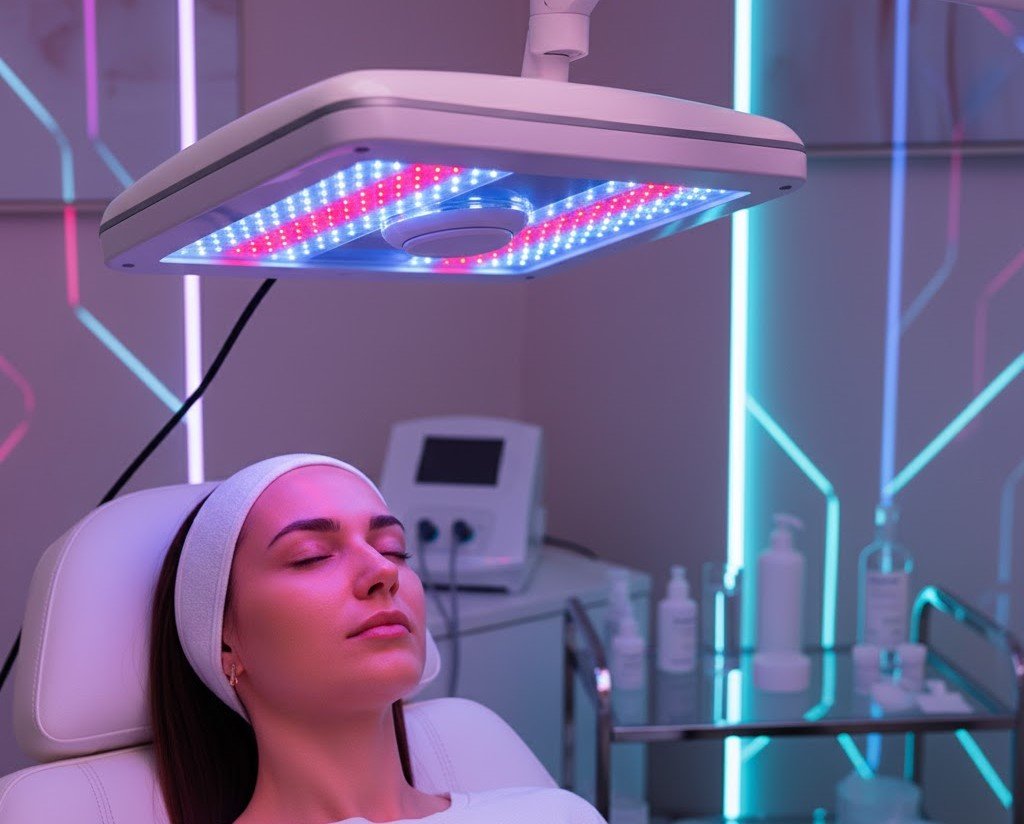
Blue light therapy targets acne-causing bacteria, while red light reduces inflammation and promotes healing. This non-invasive treatment is gentle enough for sensitive skin.
Microneedling
For those dealing with acne scars, microneedling stimulates collagen production and improves skin texture. Always ensure this is done by a licensed professional to avoid infection.
The Power of Consistency Over Perfection
Here’s something I wish someone had told me earlier: skincare isn’t about having a flawless routine every single day. Life happens. You’ll have late nights, stressful weeks, and moments when washing your face feels like climbing a mountain.
Sarah, a 34-year-old teacher, shared with me: “I used to beat myself up if I missed a step. Now I focus on doing the basics consistently—cleanse, treat, moisturize—and my skin has never looked better.”
The key is building habits you can actually maintain:
- Keep micellar water by your bed for exhausted nights
- Set phone reminders for your routine
- Prep your products the night before
- Be gentle with yourself on tough days
Lifestyle Factors That Support Clear Skin
Your skincare routine is only part of the equation. What you do throughout the day significantly impacts your skin’s health.
Hydration and Nutrition
Drinking adequate water helps flush toxins and keeps skin plump. Meanwhile, a diet rich in omega-3 fatty acids, antioxidants, and whole foods supports skin healing.

Skin-loving foods to add:
- Fatty fish (salmon, mackerel)
- Leafy greens and colorful vegetables
- Berries and citrus fruits
- Nuts and seeds
Manage Stress Mindfully
Stress triggers cortisol spikes, which increase oil production and inflammation. Even 10 minutes of daily meditation, gentle yoga, or walking can make a noticeable difference.
Clean Your Environment
Change pillowcases every 2-3 days, clean your phone screen regularly, and sanitize makeup brushes weekly. These small actions prevent reintroducing bacteria to freshly cleansed skin.
Ingredients to Avoid with Acne-Prone Skin
Not all skincare ingredients are created equal. Some can actually worsen breakouts or irritate sensitive skin.
Common culprits:
- Heavy oils (coconut oil, cocoa butter)
- Synthetic fragrances
- Denatured alcohol
- Silicones in high concentrations
Always patch-test new products on a small area before applying to your entire face. Your skin will thank you.
When to See a Dermatologist
If you’ve been following a consistent routine for 8-12 weeks without improvement, it’s time to consult a professional. Dermatologists can prescribe stronger treatments like oral antibiotics, hormonal therapy, or isotretinoin for severe cases.
Signs you need professional help:
- Painful cystic acne that doesn’t respond to over-the-counter treatments
- Severe scarring or hyperpigmentation
- Acne affecting your mental health or confidence
- Sudden, unexplained breakouts after years of clear skin
Remember, seeking help isn’t a failure—it’s a smart, proactive step toward the skin you deserve.
Tracking Progress: The Secret Motivation Tool
Take weekly photos in the same lighting at the same time of day. Progress often happens so gradually that you won’t notice day-to-day, but comparing monthly photos reveals incredible transformations.

Create a simple tracking system:
- Note which products you’re using
- Record your cycle (hormonal acne often correlates with menstruation)
- Document stress levels and dietary changes
- Celebrate small wins—even one less breakout is progress
Conclusion: Your Clear Skin Journey Starts Today
Building an effective clear skin routine doesn’t require perfection—it requires patience, consistency, and self-compassion. The acne facial treatments and strategies we’ve explored aren’t magic bullets, but they are proven paths forward when applied with dedication.
Start small. Choose one or two changes from this guide that resonate most with you. Maybe it’s finally committing to that evening double cleanse, or perhaps it’s scheduling that dermatologist appointment you’ve been postponing. Whatever it is, take that one small step today.
Your skin—and your confidence—are worth the investment. You’ve got this, and I’m cheering you on every step of the way.
Your next step: Choose one morning and one evening habit from this article to implement this week. Write it down, set a reminder, and commit to just seven days. That’s how transformation begins.